Planning a celebration-of-life film with the family
A careful process for gathering memorial photos, agreeing what to show and preparing a quiet, reliable screening without inventing a person’s history.
By the Yearlight team5 min read
The short answer
Choose one family decision-maker and agree on the setting before collecting photos. A celebration-of-life film can show ordinary life as well as formal milestones. Ask which images, names and relationships should remain private. Preserve original photographs, label uncertain dates honestly, and decide explicitly whether still images or AI-generated movement feels appropriate to this family.
Agree the scope before asking everyone for pictures
The person arranging the service may not be the person who knows the photo archive best. Ask the family to name one contact who can approve the selection and another who can help identify pictures. Agree whether the film is for a service, a later gathering or a private keepsake. Those are different situations, with different deadlines and different audiences. Give relatives a clear option to decline a contribution. Avoid requests that make finding a photograph feel like a duty or a measure of how much someone cared.
Let ordinary photographs carry some of the story
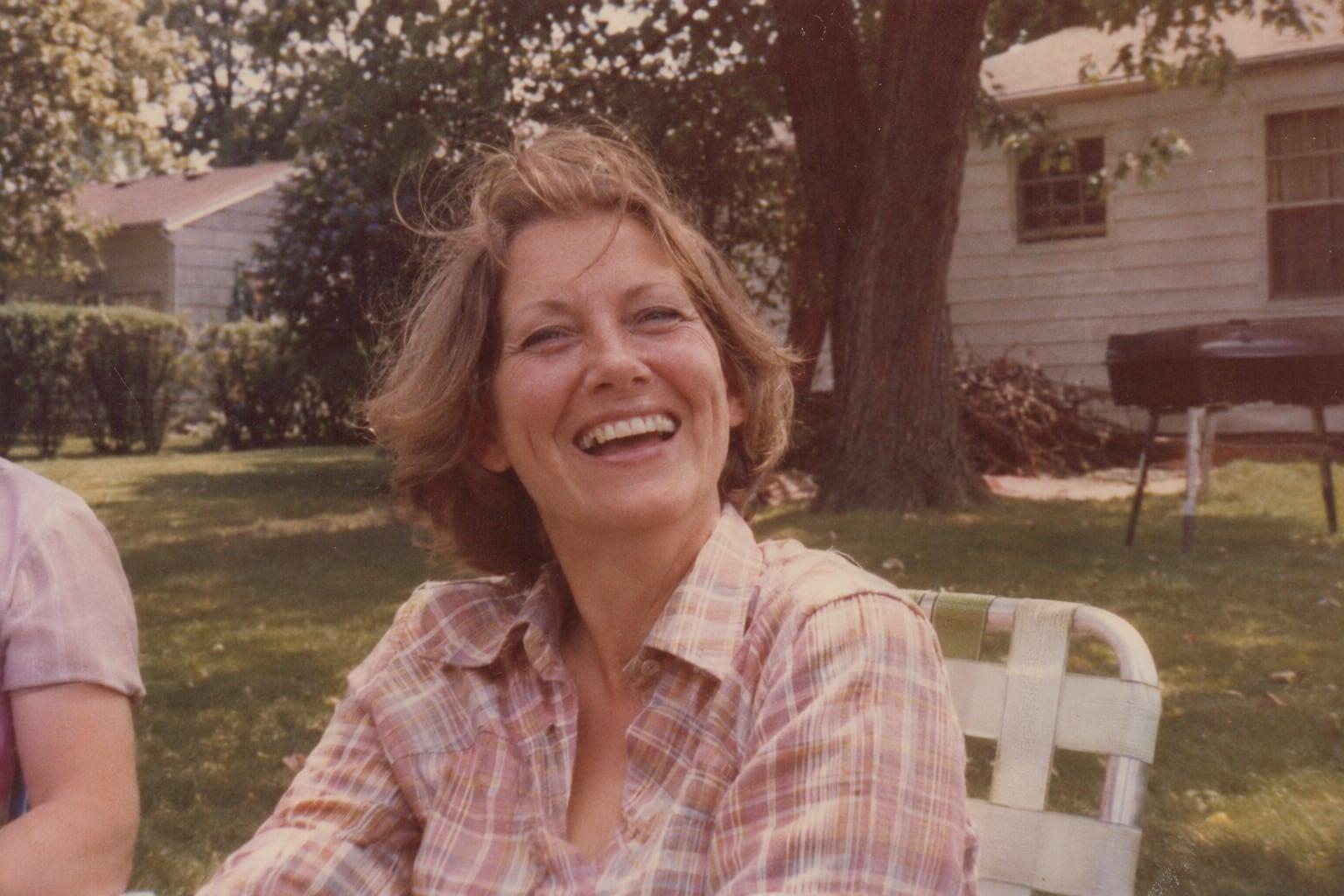
A familiar kitchen, a garden chair, a walking companion or a slightly crooked holiday snapshot may be more recognizable than another formal portrait. Build a small set that represents the person’s relationships and interests, rather than only the major events. Include a recent image if the family wants it, but do not make the final picture a statement about how someone ought to be remembered. There may be good reasons to end earlier. The family’s choice matters more than a conventional narrative arc.
Make difficult choices privately
Discuss photographs involving illness, estrangement, former partners or relatives who have also died before they appear on a shared screen. Do not use a public group chat to settle disagreements about those images. When dates or names are uncertain, ask someone who may know, then use approximate wording if the uncertainty remains. Keep a note of the original caption even if the film uses a shorter one. A respectful edit does not need to resolve every gap in a person’s biography.
| Question | A practical response |
|---|---|
| Two relatives want different final photographs | Ask the agreed family contact to decide privately; consider separate private copies. |
| A date cannot be established | Use an approximate age or omit the date. |
| A photograph shows a period of illness | Include it only if the family wants that period represented. |
| An image is important but too small to animate faithfully | Show it as a still instead of forcing generated movement. |
Decide about generated movement before making it
AI motion is a new interpretation between still photographs, not recovered footage. Some relatives may find that welcome; others may find it unsettling. Show the decision-maker a short example and describe what has been generated. A still-image slideshow, a book or a simple archive may be the better choice. Do not imagine later ages, a voice or a message the person never recorded. Yearlight is not a voice-cloning service. Its current preview uses two photographs of the same person, and full life films remain in development; it should not be relied on as an available full memorial production service.
Prepare a quiet showing and a separate sharing decision
Ask the venue or celebrant where the film sits in the service and who cues it. Confirm whether music is appropriate and who supplies the playback equipment. Watch the exact file from start to finish with the person responsible for the screen. Keep an offline copy and a spare, and make it possible to continue the service if the film does not play. Afterward, ask before publishing or circulating the film beyond those who attended. Give the family an original-file folder as well as the viewing copy, so the photographs are not trapped inside one video.
Before you start
- A family contact approves the selection and tone.
- The screening setting and deadline are known.
- Sensitive photographs and uncertain captions have been discussed privately.
- The family has explicitly chosen still images or generated motion.
- The venue has tested the exact file and a fallback is ready.
Questions, answered
- How do we choose between a slideshow and generated movement?
- Start with the family’s comfort, then look at the photographs. A slideshow can preserve group scenes and captions exactly. Generated movement should be a deliberate, reviewed interpretation, not the default because a tool offers it.
- Does the film have to show a complete life?
- No. A small selection can focus on one relationship, a familiar activity or a period the family wants to remember. Completeness is not a requirement, especially when the deadline or emotional workload is difficult.
- Can we put the film online after the service?
- Treat that as a new decision. The family may welcome a private viewing link but not a public post. Consider the recipient audience, the people in the photographs and the family’s preferences before choosing where it goes.